
Our Journey
From 1989 to today — building the future of sustainable transportation
Project Founded
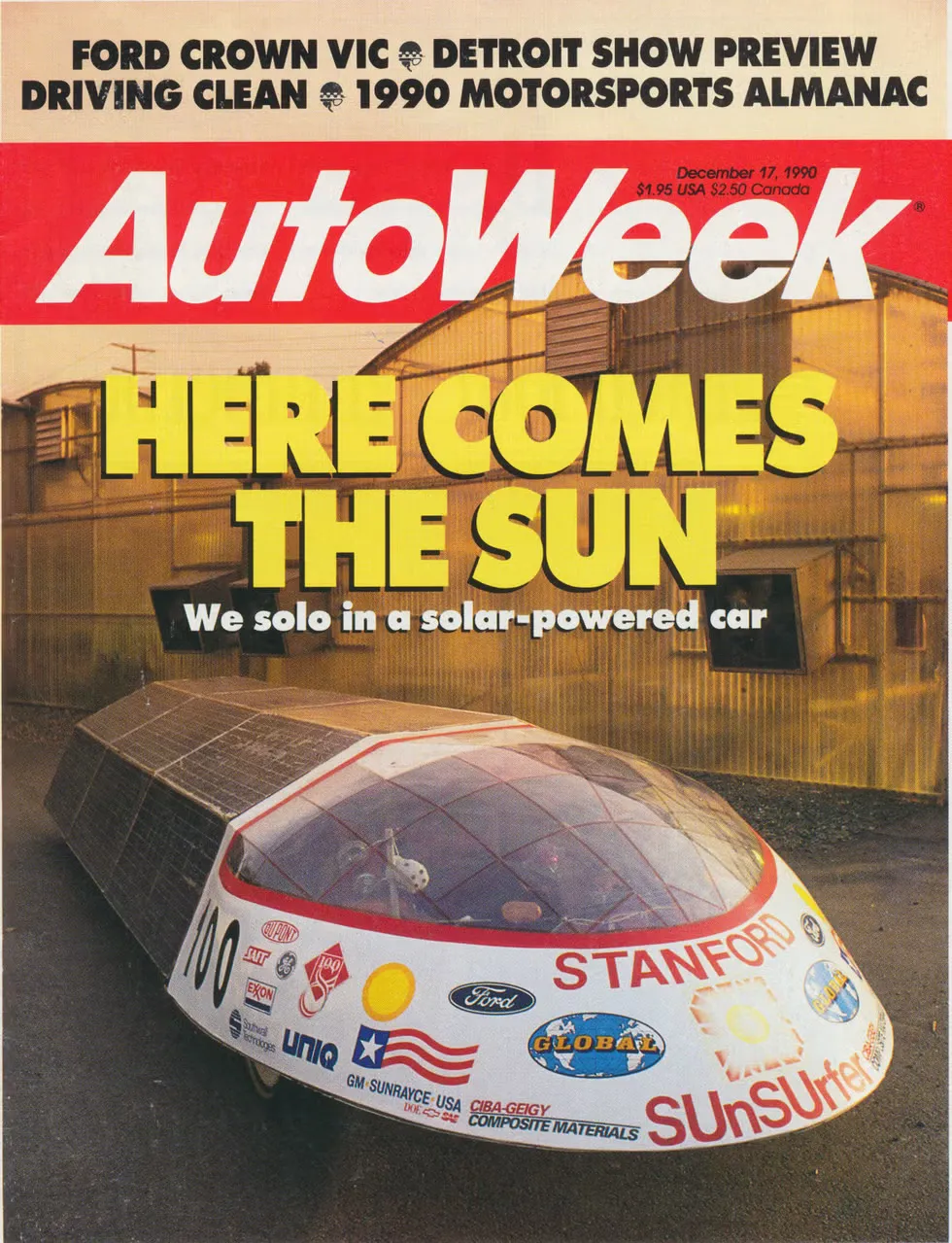
The Stanford Solar Car Project began in the winter of 1986, when a graduate student and a visiting professor believed Stanford students could take on the challenge of building a solar-powered race car. Inspired by General Motors' victory in Australia's World Solar Challenge, they aimed for Sunrayce '90 in the U.S. With little experience but plenty of determination, the students formed what would become one of the longest-running solar car teams in the world.
SunSurfer
Our very first car, SunSurfer, was built by an inexperienced but passionate group of undergraduates. Despite the late nights, epoxy fumes, and steep learning curve, the car successfully completed the race, marking Stanford's entry into the global solar racing community.
Sunburner
A bold new design featuring a solar concentrator proved too ambitious, but the team adapted quickly, turning Sunburner into one of the most distinctive cars ever built. After a devastating fire nearly destroyed the vehicle, the team rebuilt it in just six weeks. Against the odds, Sunburner achieved a remarkable 5th place in Sunrayce '93 and went on to a strong showing in Australia.
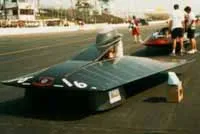
Afterburner
With Afterburner, Stanford shifted focus to aerodynamics, cutting drag in half compared to its predecessor. The car matured over three years of racing, overcoming tough weather and fierce competition to earn Stanford's first podium finish — 3rd place at Sunrayce '97.

Third Degree Burner
Third Degree Burner marked a new era as Stanford once again raced independently. Despite limited resources, the team's careful preparation paid off with a strong 2nd place in class along historic Route 66.
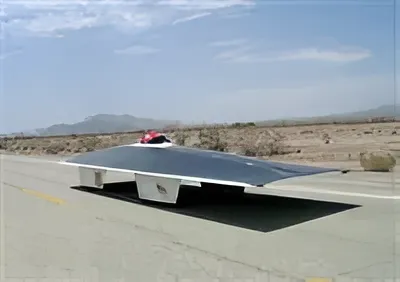
Back2Back Burner
Pushing innovation further, Stanford built its first two-seat solar car. Back2Back Burner featured advanced aerodynamics and experimental lithium-polymer batteries. Though reliability issues plagued the race, the team persevered to finish and gained valuable lessons that would shape future designs.
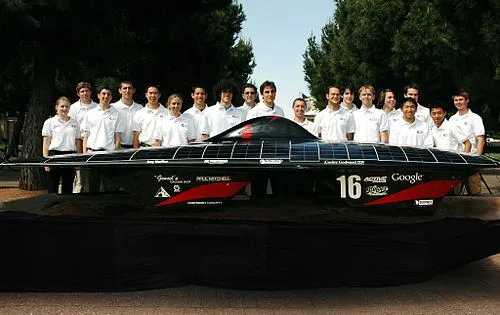
Solstice
Solstice delivered one of the team's proudest moments, winning the Stock Class in a 2,500-mile race from Texas to Canada. This victory showcased not only engineering excellence but also the resilience and spirit of the team.
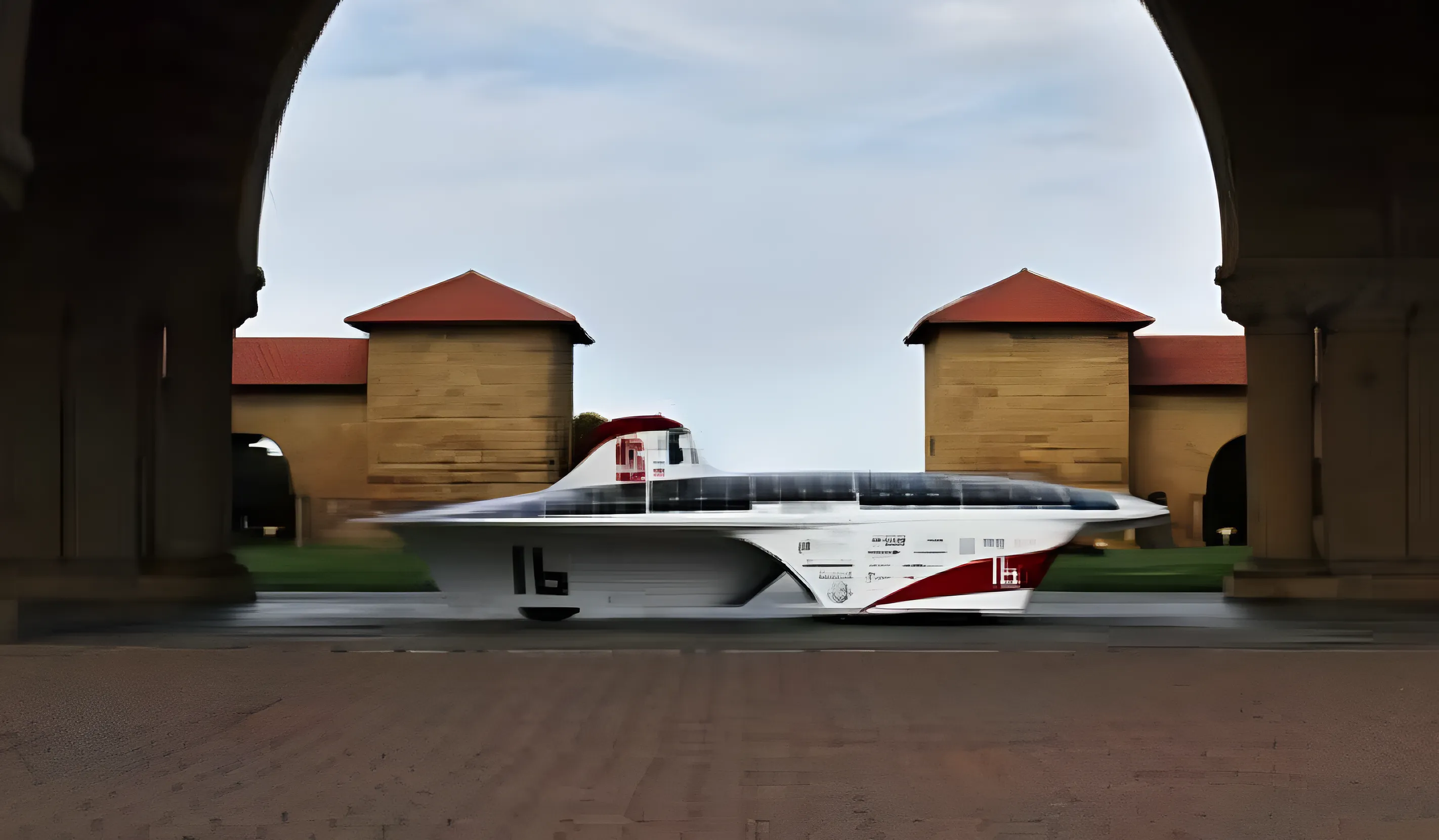
Apogee
Built from carbon fiber with a sleek monocoque body, Apogee carried the team back to Australia. With a 6 m² solar array and lightweight lithium-ion batteries, it was one of Stanford's most reliable cars to date, cruising steadily across the continent to a top-ten class finish.
Xenith
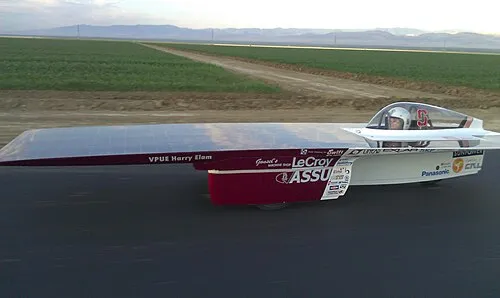
Unveiled in August 2011, Xenith was Stanford's tenth car and a major leap forward in engineering. Weighing just 375 pounds, it featured a three-wheel steering system, a 4-inch-thin carbon composite chassis, and a custom 98% efficient motor. Xenith pioneered the use of flexible glass encapsulation for SunPower solar cells, with Corning providing prototype glass. In-house strategy software modeled sunlight and shadows in real time, giving the team a new competitive edge. Xenith could cruise at 55–60 mph under solar power alone.
Luminos
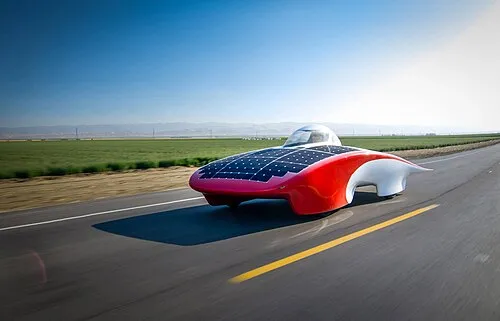
Our eleventh car, Luminos, was unveiled in 2013 and went on to deliver the team's best result yet: 4th place in the Challenger Class and the top finish by an undergraduate team. Lightweight and incredibly reliable, Luminos logged over 10,000 safe miles, cementing its reputation as one of SSCP's finest designs.
Arctan
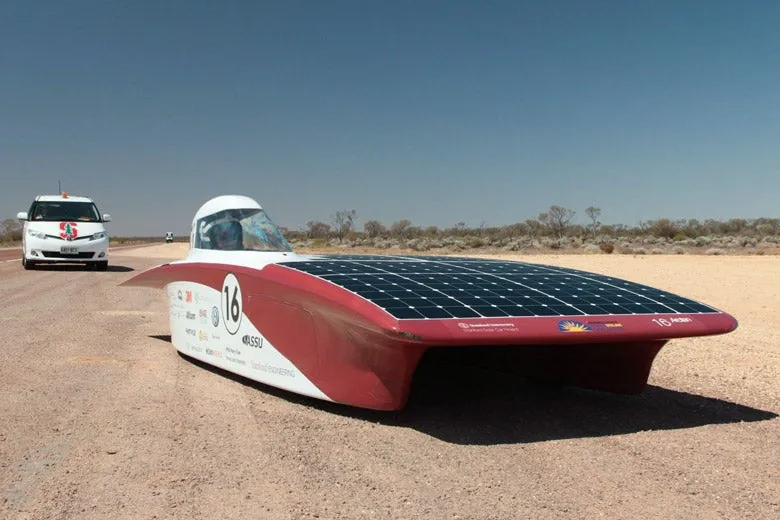
Arctan built on Luminos' success with a sleeker, more aerodynamically aggressive design. Extensive testing—more miles than any car before it—proved invaluable, helping the team close the gap to the leaders by 50% compared to 2013.
Sundae
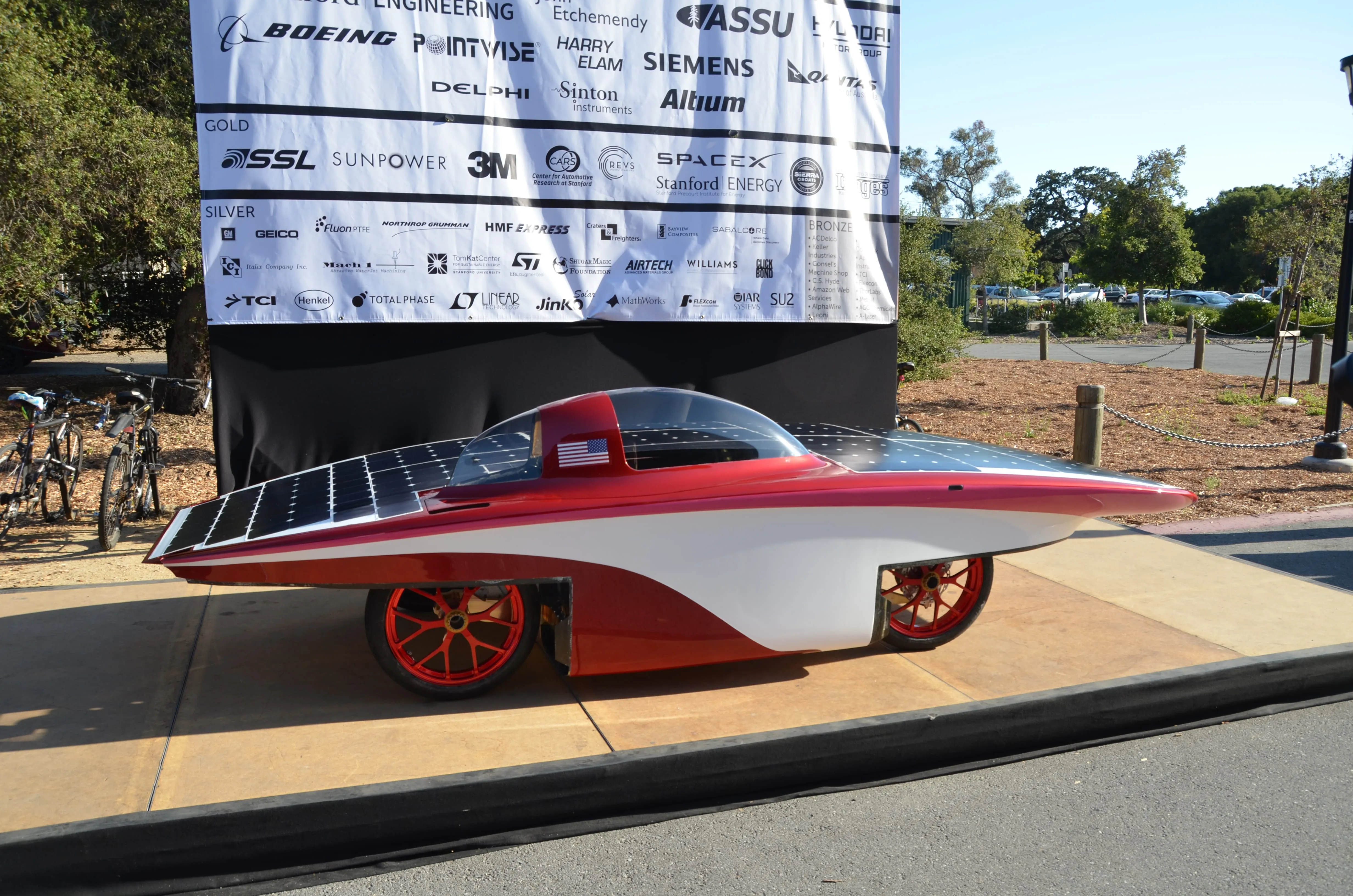
Sundae represented Stanford's continued commitment to innovation in solar vehicle design. With improved aerodynamics and enhanced battery management systems, Sundae showcased the team's ability to adapt to evolving race regulations while maintaining competitive performance.
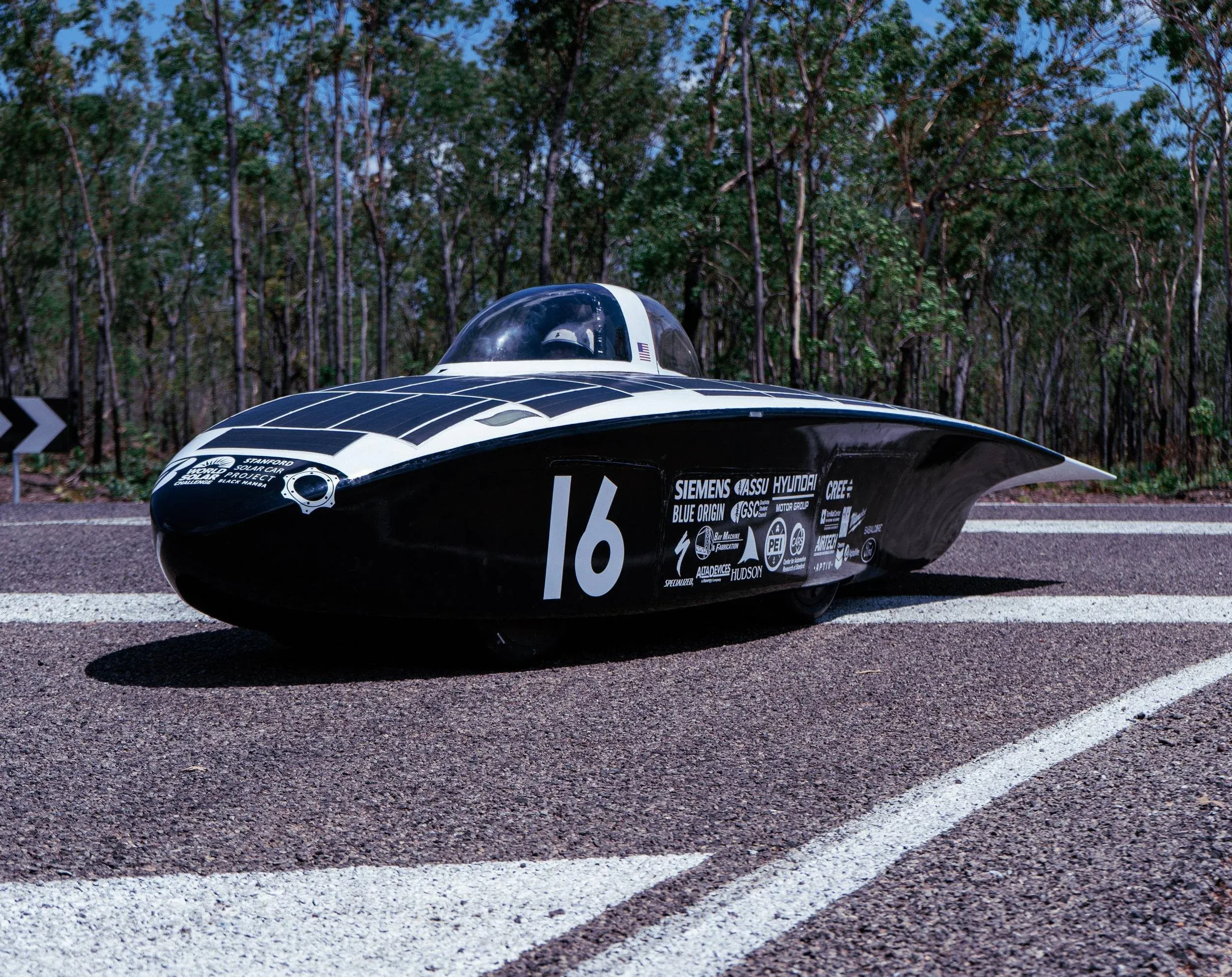
Black Mamba
Black Mamba was Stanford's fourteenth car and its first asymmetric "bullet" design, representing a bold leap in aerodynamics and packaging. The platform pushed the team forward in nearly every subsystem, from composite chassis construction to advanced driver ergonomics, and its development laid the groundwork for the safety standards, battery engineering, and design philosophy that define every Stanford solar car built since.
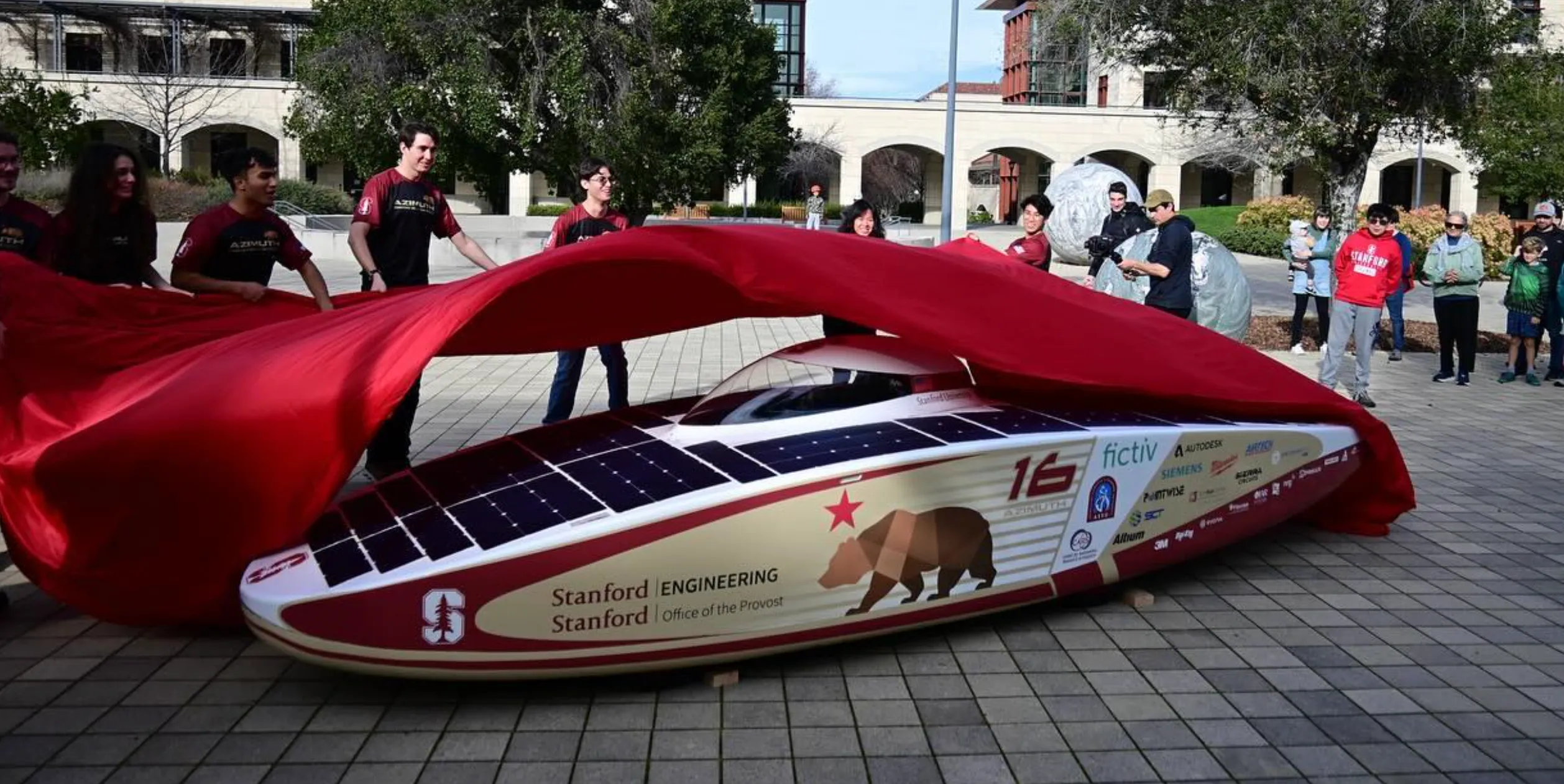
Azimuth
Azimuth represents Stanford's latest innovation in solar vehicle design, incorporating lessons learned from Black Mamba with enhanced safety systems, improved aerodynamics, and cutting-edge solar technology. As our newest vehicle, Azimuth embodies the team's commitment to pushing the boundaries of sustainable transportation while maintaining the highest standards of safety and performance.